
Allergy-proofing your home is systematically reducing the allergen load in the spaces where you spend the most time. Most allergy sufferers invest heavily in medications and nasal sprays while the home itself continues to harbor the triggers behind their symptoms. Dust mites settle into mattresses, mold establishes in damp corners, pet dander drifts through the air for hours, and outdoor pollen hitches a ride inside on shoes and clothing. Allergy-proofing addresses these sources at the points where they accumulate most, before they reach the respiratory system of the people inside.
The Foundation of Allergy-Proofing Your Home
The HVAC system is the most efficient delivery mechanism in any home; it delivers allergens to every room continuously. Upgrading to a MERV 11 or higher rated filter and replacing it on schedule, every 60 to 90 days in most households, is the single change that affects allergen concentrations everywhere in the home simultaneously. A portable HEPA air purifier in the bedroom adds a second filtration layer in the room where occupants spend the most consecutive hours. True HEPA filtration captures 99.97% of particles 0.3 microns and larger, the size range that includes pollen, dust mite debris, mold spores, and pet dander.
Allergy-Proofing Your Home Through Surface and Bedding Control
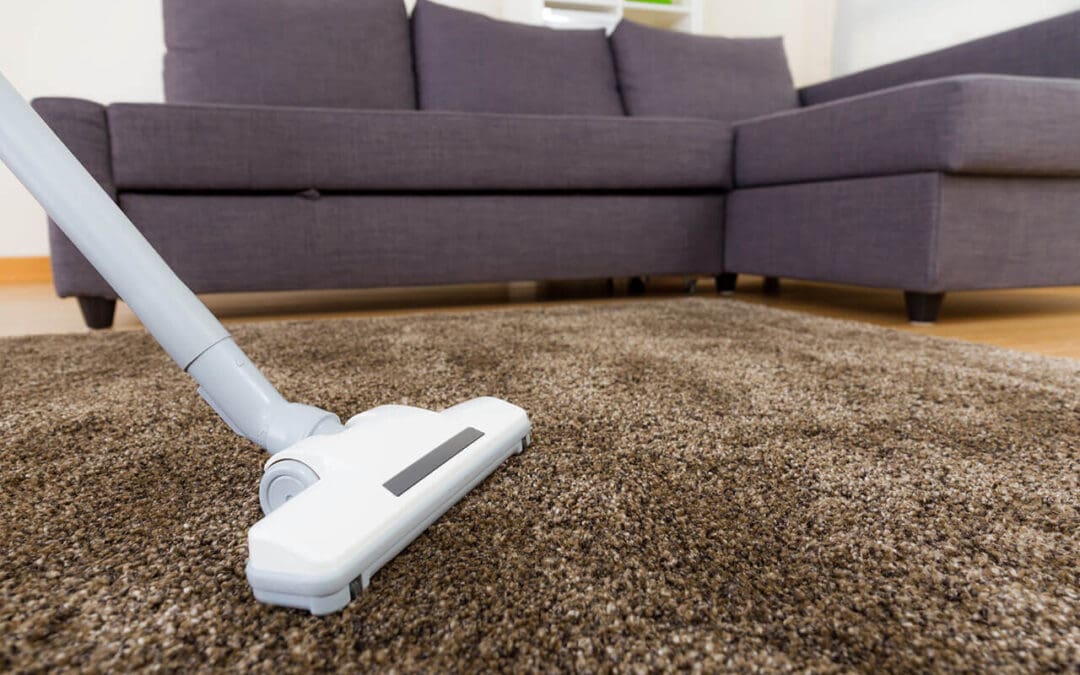
Allergens settle and where they settle determines the next exposure. Carpeting is the most significant settling surface in most homes, trapping dust mites, dander, and pollen in its fibers at densities that routine vacuuming reduces but doesn’t eliminate. Hard surface flooring, such as LVP, tile, or hardwood, in primary living areas and bedrooms removes the most allergen-dense surface and makes cleaning genuinely effective. The bed is where allergy-proofing your home has the most direct impact on how a sensitive occupant feels in the morning. Allergen-impermeable encasements on the mattress, box spring, and pillows physically block dust mite populations from contact with the sleeping occupant. Washing bedding weekly in hot water, 130°F or above, kills mites that reach the surface. These two practices together address the highest-concentration allergen zone in most bedrooms.
Moisture, Mold, and the Spaces Often Missed
Mold is the indoor allergen most directly controlled by the home environment rather than cleaning habits. It doesn’t accumulate, it grows, and it grows wherever moisture allows it. Maintaining indoor humidity between 30 and 50 percent through dehumidification in humid months is the allergy-proofing measure that most directly suppresses mold development in bathrooms, basements, and crawl spaces. Running bathroom exhaust fans for a full twenty minutes after bathing, not just until the mirror clears, removes the residual humidity that mold needs to establish.
The entry zone is the final piece of the allergy-proofing your home strategy that most homeowners overlook entirely. A dedicated spot for removing shoes and outerwear at the door, combined with changing clothes after extended outdoor time in high-pollen conditions, stops the bulk of outdoor allergen transfer before it reaches living areas, bedding, and upholstered surfaces where it would otherwise accumulate until the next cleaning.
Encompass Home Inspection Service offers home inspections to homebuyers and sellers in Southern New Jersey and Southeastern Pennsylvania. Contact us to schedule our services.